


tour through the town - Judenburg history(ies)
Accessible by public transportCharacteristics
SkillThe tour in numbers
Level of difficulty
easy
Route
1,4 km
Time
0:30 h
Uphill
20 hm
Downhill
20 hm
Highest point
742 m
Judenburg's eventful history has given rise to many sights, some of which are still very well preserved. Towering above it all is the mighty stone guardian, the town tower, which today - high above the main square - houses Europe's most modern planetarium, and whose viewing gallery at a height of 42m provides an overwhelming view of Judenburg and its surroundings.
You start your tour in the center of the historic old town of Judenburg. Here you will find the Judenburger Stadtturm, which has been home to Europe's most modern planetarium since November 2006.
The town tower
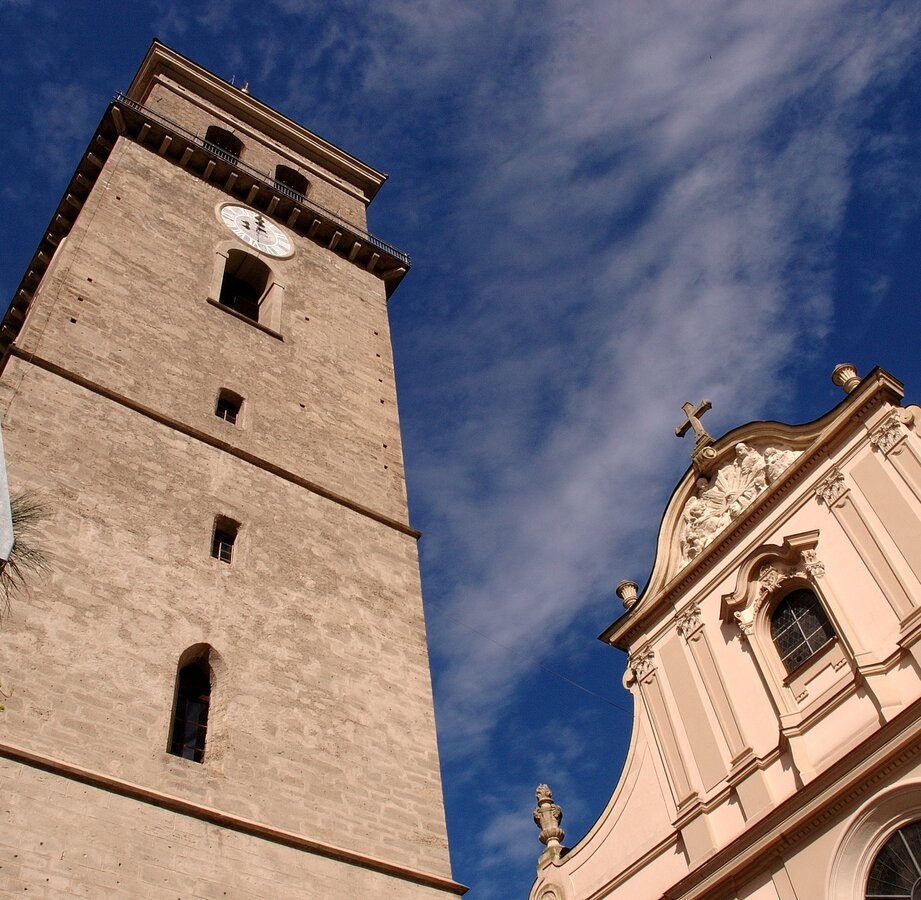
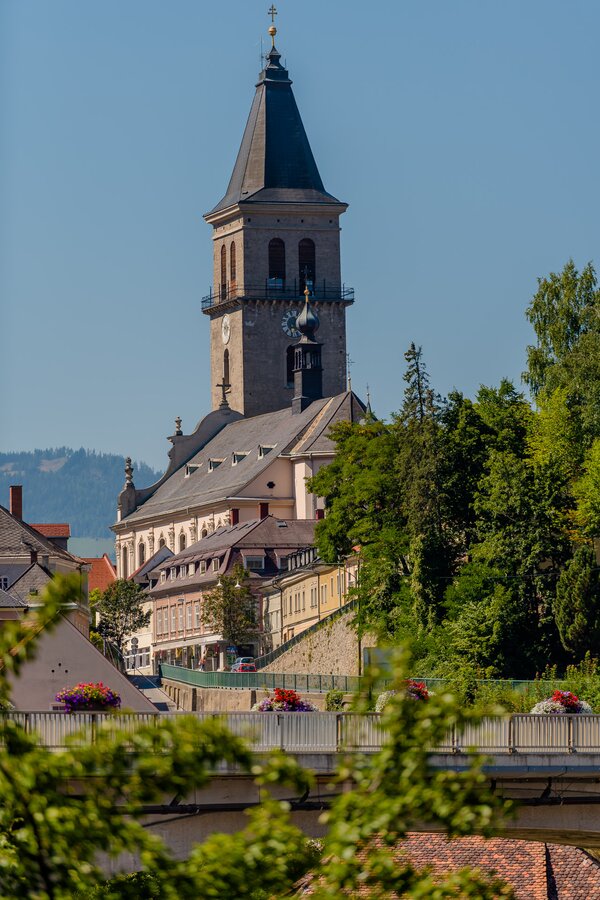
The mighty stone guardian is Judenburg's landmark. Built between 1449 and 1509, the four-storey tower, which is now 75 m high, was once part of the town fortifications as a free-standing defense and fire watch tower. The top floor at a height of 42m with the viewing gallery, which offers an impressive panoramic view over the town and far into the Aichfeld, was built after the last major fire in the town in 1840.The late Gothic tower portal dates back to the time of its construction. In 2006, a spectacular glass panorama lift was installed in the tower, and the 256 steps inside the tower that lead up to the viewing gallery and the tower keeper's former apartment are still just as interesting for sporty visitors.
Unique in Europe - the star tower
Since November 2006, the Judenburg City Tower has been home to Europe's most modern planetarium. Here you can experience a fantastic journey into the mysterious universe with impressive 3D visualization and a magnificent view of an incredible starry sky in any weather and at any time of day.
Right next to the city tower is the Judenburg parish church, where the tour makes its next stop.
The parish church
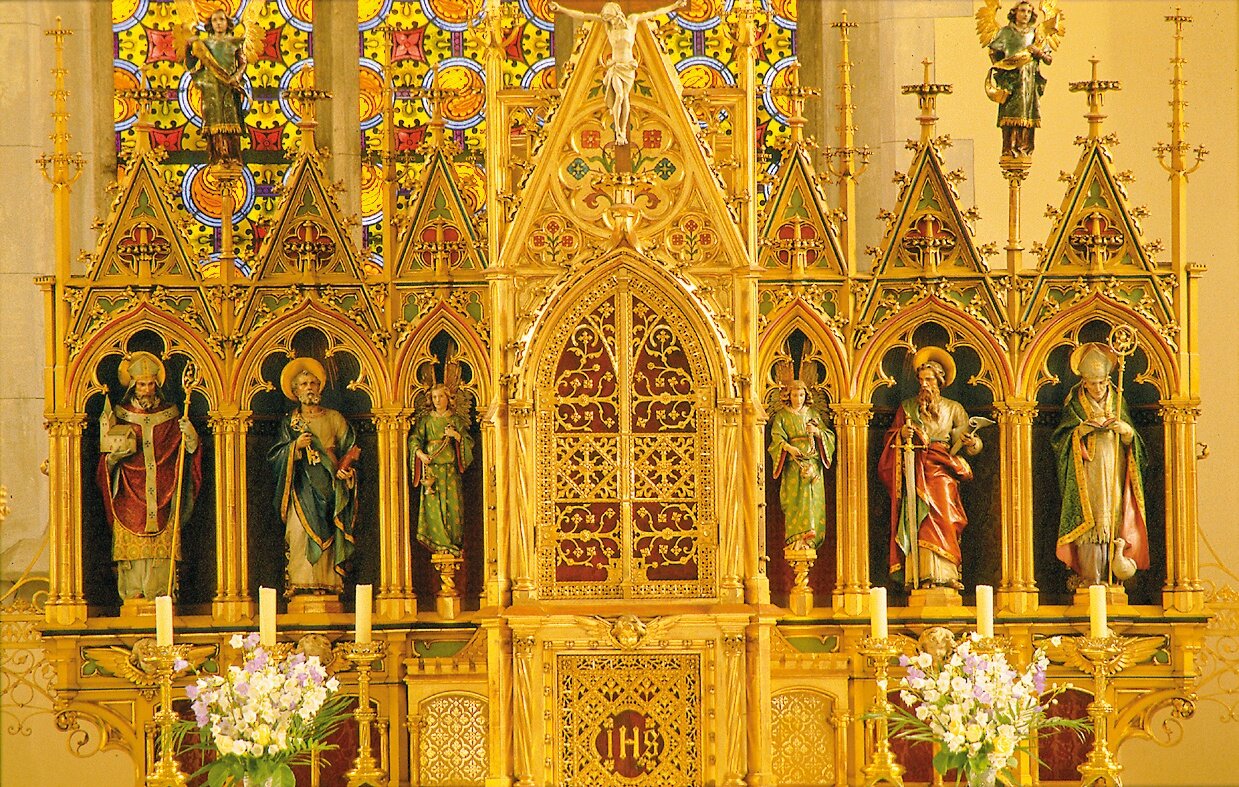
The church, first mentioned in 1148, owes its present form of a Baroque pilaster church with side chapels and galleries above to the renovation work carried out from around 1673. The church impresses with its varied stucco work. An art-historical treasure is the life-size limestone figure of the "Judenburg Madonna", which was created around 1420, probably in the workshop of the master Hans von Judenburg. In April 1797, during the War of the First Coalition, Napoleon Bonaparte announced the end of the Doge Republic of Venice in the vicarage opposite and concluded an armistice which led to the preliminary peace of Leoben.
The tour continues via the Ederbastei and Schillerpark to the next historic building.
The Prankerhaus
The house on Martiniplatz, a three-winged complex with an originally two-storey arcaded courtyard, still contains remnants of the once extensive medieval castle complex (former "knight's town").
On the way to the town museum and the Puch Museum, you will pass other historically important buildings.
The Jesuit monastery
The spacious early baroque four-winged complex, originally a monastery of the barefoot Augustinian hermits (founded in 1364), was home to the Jesuits from 1620, who settled here in the course of the Counter-Reformation. For around a century and a half, the Jesuits significantly influenced and helped shape life in Judenburg with an exaggerated baroque religiousness. Today, the Ulrich von Liechtenstein Music & Art School and a family guesthouse are housed here.
The Jesuit church
After the Jesuits moved into the monastery in 1644, the monastery church, formerly a Gothic hall building, was converted into a Baroque pilastered church with side chapels and galleries. From 1950 to 1953, the church was converted into a festival hall, largely preserving the Baroque and Gothic architectural elements. In 1994/95, the building was generously extended. With extraordinary architectural means, today's event center was created.
The tour makes its next stop at the town museum and the Puch Museum.
Judenburg Town Museum
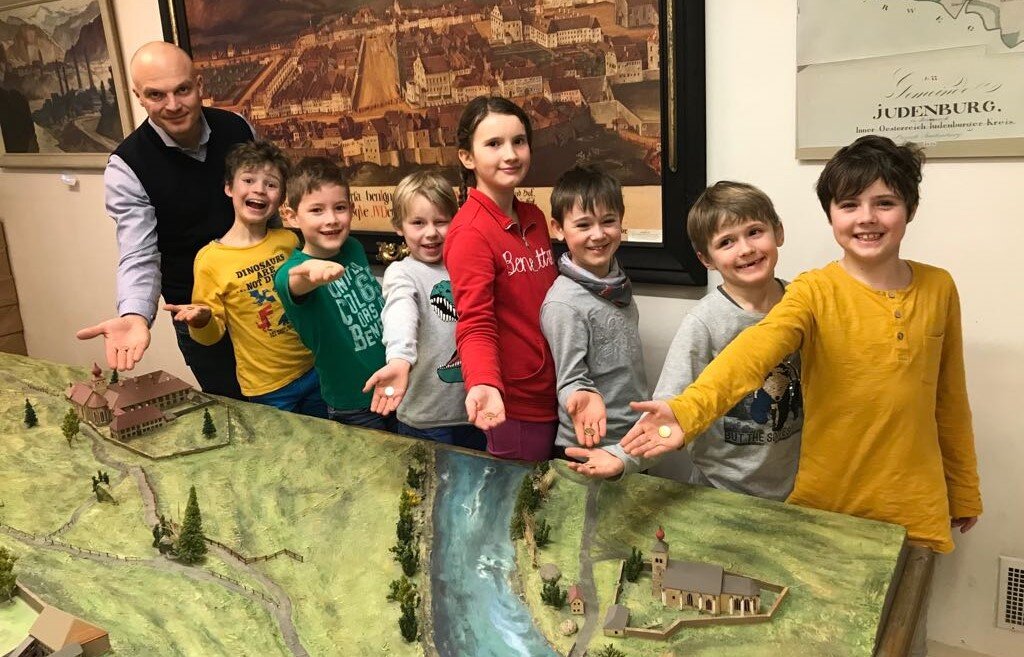
On three floors, numerous exhibits document the history of the town of Judenburg. The prehistoric significance of Judenburg is illustrated by a replica of the Strettweg cult chariot (the most important find from the Hallstatt period in Europe). Numerous objects relating to the history of coins, local art etc. are also on display.Further information about the town museum can be found at Stadtmuseum Judenburg.
A 1-minute walk from the town museum you will find the next museum highlight at Murtaler Platz.
Puch Museum
The Puch 500, the Puch Maxi, Pinzgauer and Puch G. Not just a worldwide success story - but cult vehicles that have left indelible memories. Judenburg brings back the magic of "Puch". It is impossible to imagine Austria's automotive history without the Puch brand. The 60s generation thinks wistfully of their first "Pucherl". Like the Puch G, the indestructible Pinzgauer was one of the most sought-after off-road vehicles in the world for decades. An impressive show for young and old that leaves no one indifferent. You can find more information about the Puch Museum under Puch Museum.
Of course you can also visit our museums separately. The teams from the City Museum and Puch Museum will be happy to provide you with information. After a breather in the museums, the tour continues.
The Körblerhaus
Probably one of the best preserved and most exquisitely renovated town houses on the main square. A late medieval arched portal leads into a charming inner courtyard.
Best season
January
February
March
April
May
June
July
August
September
October
November
December
More information
Directions to Judenburg via S36 and B77.
You start your tour in the center of the historic old town of Judenburg. Here you will find the Judenburg City Tower, which has been home to Europe's most modern planetarium since November 2006.
The town tower: the mighty stone guardian is Judenburg's landmark. Built between 1449 and 1509, the four-storey tower, which is now 75 m high, was once part of the town fortifications as a free-standing defense and fire watch tower. The top floor at a height of 42 m with the viewing gallery, which offers an impressive panoramic view over the town and far into the Aichfeld, was built after the last great town fire in 1840, and the late Gothic tower portal dates back to the time of its construction. In 2006, a spectacular glass panorama lift was installed in the tower, and the 256 steps inside the tower leading up to the viewing gallery and the tower keeper's former apartment are still just as interesting for sporty visitors.Unique in Europe - the Star TowerSince November 2006, the Judenburg City Tower has been home to the most modern planetarium in Europe. Here you can experience a fantastic journey into the mysterious universe by means of impressive 3D visualization and a magnificent view of an incredible starry sky in any weather and at any time of day.
The Judenburg parish church is located right next to the city tower, where the tour makes its next stop.
The parish church: The church, which was first mentioned in 1148, owes its current appearance of a Baroque pilaster church with side chapels and galleries above it to the renovation work carried out from around 1673. The church impresses with its varied stucco work. An art-historical treasure is the life-size limestone figure of the "Judenburg Madonna", which was created around 1420, probably in the workshop of the master Hans von Judenburg. In April 1797, during the War of the First Coalition, Napoleon Bonaparte announced the end of the Doge Republic of Venice in the vicarage opposite and concluded an armistice which led to the preliminary peace of Leoben.
The tour leads via the Ederbastei and the Schillerpark to the next historic building - the Prankerhaus.
The Prankerhaus: The house on Martiniplatz, a three-winged complex with an original two-storey arcaded courtyard, still contains remnants of the once extensive medieval castle complex (former "knight's town").
On the way to the City Museum and the Puch Museum via Kaserngasse, you will pass other historically important buildings:
The Jesuit monastery: the generously proportioned early baroque four-winged complex, originally a monastery of the barefoot Augustinian hermits (founded in 1364), housed the Jesuits, who settled here in the course of the Counter-Reformation, from 1620. For around a century and a half, the Jesuits significantly influenced and helped shape life in Judenburg with an exaggerated baroque religiousness. Today, the Ulrich von Liechtenstein Music & Art School and a family guesthouse are housed here.
The Jesuit church: After the Jesuits moved into the monastery in 1644, the monastery church, a former Gothic hall building, was converted into a Baroque pilaster church with side chapels and galleries. From 1950 to 1953, the church was converted into a festival hall, largely preserving the Baroque and Gothic architectural elements. In 1994/95, the building was generously extended. With extraordinary architectural means, today's event center was created.
The tour makes its next stop at the town museum and the Puch Museum.
Judenburg Town Museum: numerous exhibits document the history of the town of Judenburg on three floors. The prehistoric significance of Judenburg is illustrated by a replica of the Strettweger cult chariot (the most important find from the Hallstatt period in Europe). Numerous objects relating to the history of coins, local art, etc. are also on display and further information on the town museum can be found at Stadtmuseum Judenburg.
The next museum highlight is a 1-minute walk from the town museum at Murtaler Platz.
Puch Museum: The Puch 500, the Puch Maxi, Pinzgauer and Puch G. Not just a worldwide success story - but cult vehicles that have left indelible memories. Judenburg brings back the magic of "Puch". It is impossible to imagine Austria's automotive history without the Puch brand. The 60s generation thinks wistfully of their first "Pucherl". Like the Puch G, the indestructible Pinzgauer was one of the most sought-after off-road vehicles in the world for decades. An impressive show for young and old that leaves no one indifferent. You can find more information about the Puch Museum under Puch Museum.
Of course you can also visit our museums separately. The teams from the City Museum and Puch Museum will be happy to provide you with information. After a breather in the museums, the tour continues.
The Körblerhaus: Probably one of the best preserved and most exquisitely renovated town houses on the main square. A late medieval arched portal leads into a charming inner courtyard.
You can also visit the Museum Murtal: Archaeology of the Region, which only opened in 2019 and is just a few minutes' walk from Judenburg's main square.
The center of Judenburg can be easily reached on foot from Judenburg train station (approx. 20 minutes) as well as by regional bus lines 1 and 2 and numerous other bus connections. You can find more information on connections at www.verbundlinie.at .
Paid parking in Judenburg according to the specified parking fees.
Longer parking is possible in the Judenburg Zentrum parking garage. There are only very low parking fees for the entire day. Note: Payment here is only possible with credit or contactless payment by ATM card. (Judenburg parking garage, Schulgasse 7, 8750 Judenburg)
More information at www.murtal.at In the Murtal region there are three free hiking maps that show the entire region with the Seetaler Alps, Seckauer-, Wölzer-, Rottenmanner Tauern, Stubalpe and the Pöls- and Murtal. The maps are in scale 1.50.000.
Map & downloads
Gallery
ein rundgang durch die stadt - judenburger geschichte(n)_img_21851520 | © Erlebnisregion Murtal | Stefanie Hofer
1/6
ein rundgang durch die stadt - judenburger geschichte(n)_img_21851219 | © Erlebnisregion Murtal | Stefanie Hofer
2/6
ein rundgang durch die stadt - judenburger geschichte(n)_img_21851311 | © Erlebnisregion Murtal | Stefanie Hofer
3/6
ein rundgang durch die stadt - judenburger geschichte(n)_img_53936453 | © Erlebnisregion Murtal | 50plus Campingpark Fisching
4/6
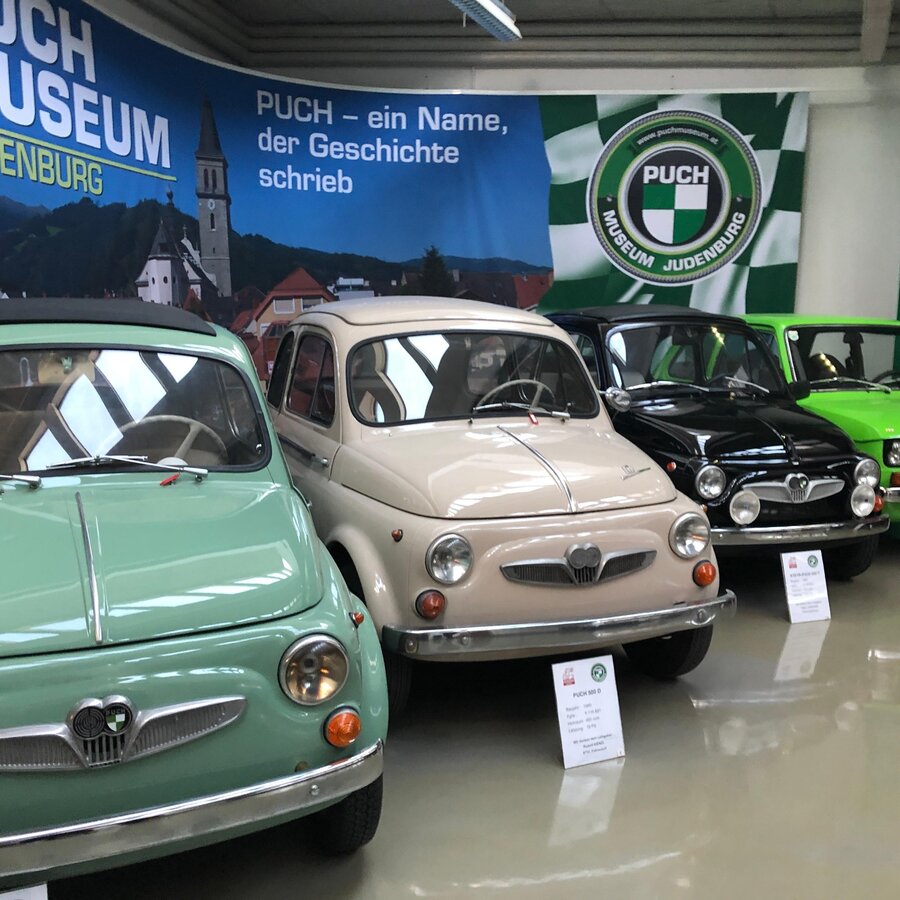
Puchmuseum | © Erlebnisregion Murtal | 50plus Campingpark Fisching
5/6
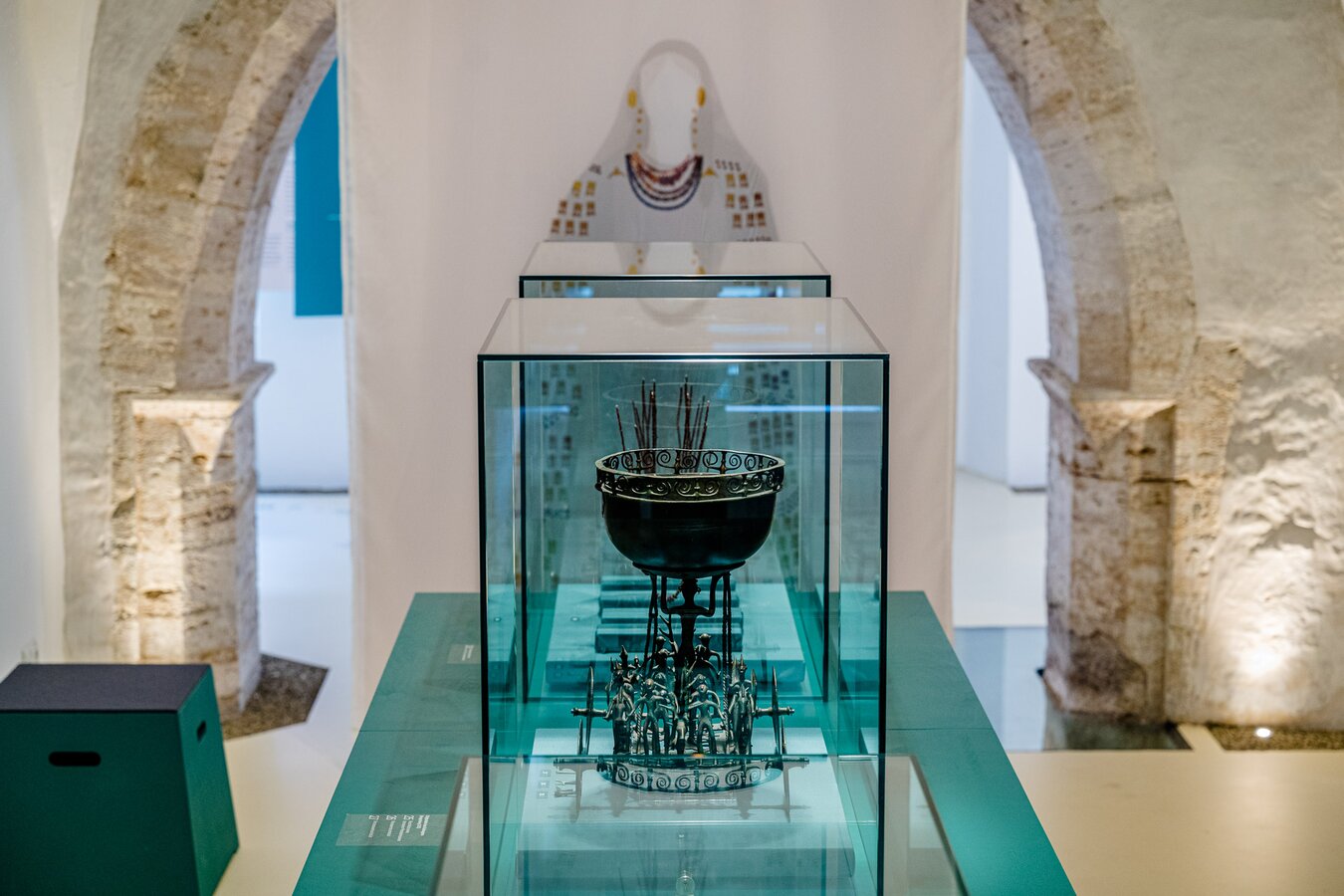
Museum Murtal | © Erlebnisregion Murtal | 50plus Campingpark Fisching
6/6
What the weather will be like Judenburg (738m)
Forecast
06.09.2025

9°C
22°C
07.09.2025
9°C
24°C
08.09.2025

10°C
24°C
